
Application Guide for Abnormal Tilt and Vibration Monitoring in Industrial Equipment
Learn how industrial equipment, control boxes, machines, and automation systems use tilt and vibration sensing for status detection, safety shutdown, and abnormal alerts.
Industrial Equipment Does Not Always Need Complex Orientation Sensing
In many industrial control applications, what matters is whether the equipment exceeds the allowed angle, rather than continuously measuring every degree. A fixed-angle tilt sensor can provide a simple and clear digital status output.
Can Be Integrated with PLC / MCU / I/O Systems
The sensor output can be used as an abnormal input to the control system, and then processed by a PLC, MCU, alarm circuit, or safety control system for alerts, shutdown, or event logging.
Sensor Output
Converts tilt or vibration status into abnormal conditions that can be recognized by the control system.
System-Side Processing
Executes alerts, safety shutdown, or event logging according to the control logic.
System Flow
Recommended Sensing Solution
Tilt + Vibration Dual-Condition Monitoring
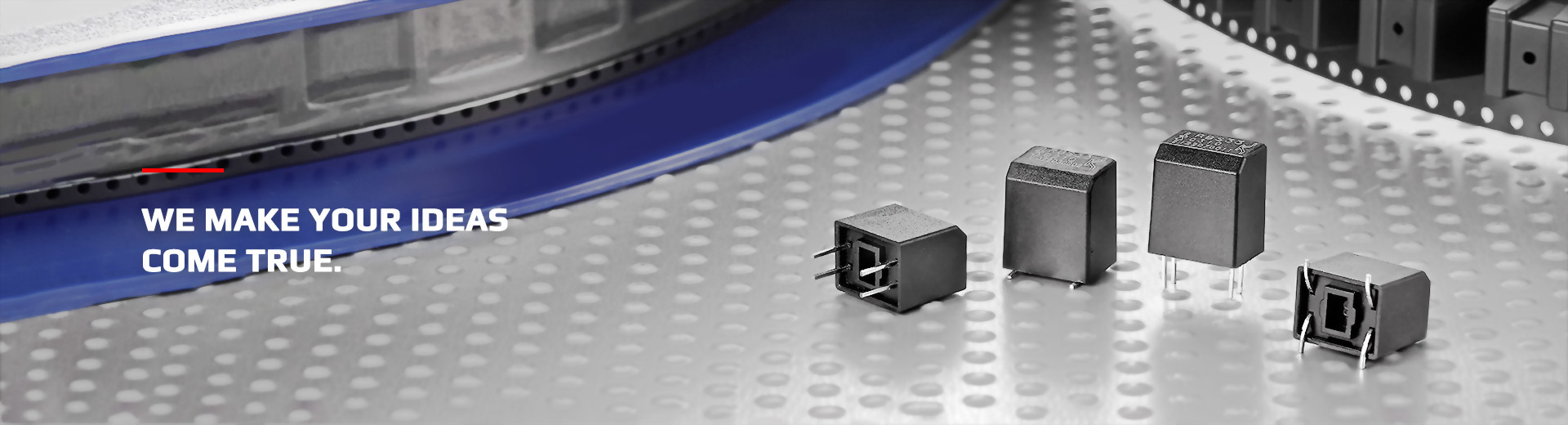
The RBS31 series can be used for fixed-angle and omnidirectional tilt detection. If impact or machine vibration also needs to be identified, it can be combined with a vibration sensor.
Fixed Angle
Omnidirectional Tilt Detection
Design Considerations
- Confirm whether the equipment itself has normal vibration sources such as motors or pumps.
- The sensor mounting surface should be aligned with the equipment’s safety reference.
- Industrial environments require consideration of temperature, humidity, dust, and electrical interference.
- If this is part of a safety function, the final architecture should be designed according to machine risk analysis and applicable standards.
Selection / Sensing Direction
| Application Requirement | Recommended Direction |
|---|---|
| Only need to detect whether the safe angle is exceeded | Fixed-Angle Tilt Sensing |
| Need omnidirectional detection | RBS31 Series |
| Need to monitor impact as well | Tilt + Vibration Sensing |
Suitable Applications

Provide the equipment size, acceptable maximum tilt angle, and control interface, and we can help evaluate a suitable sensor.
Contact ONCQUE