
Why Does a Medical Foot Pedal Need Position Detection?
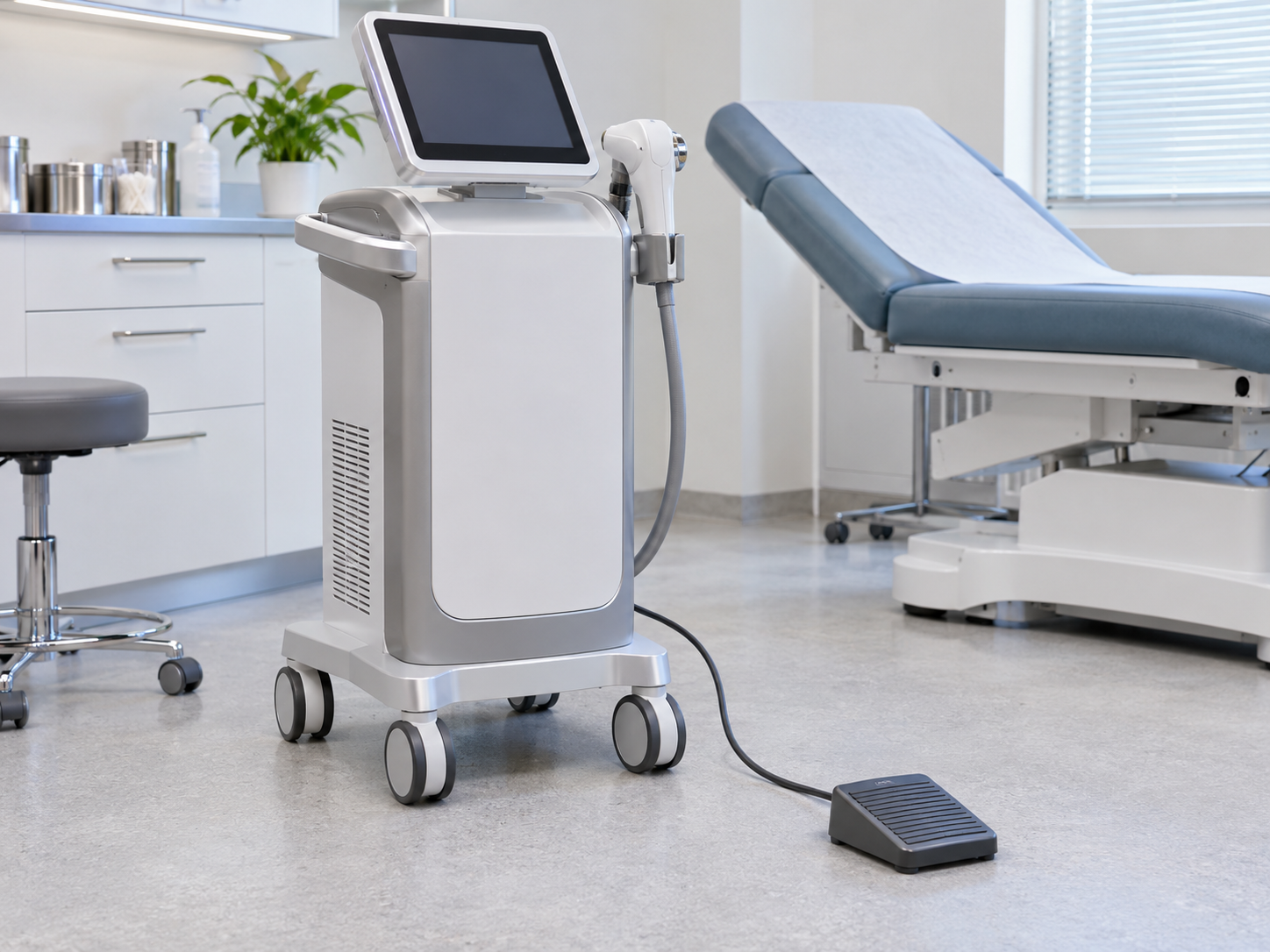
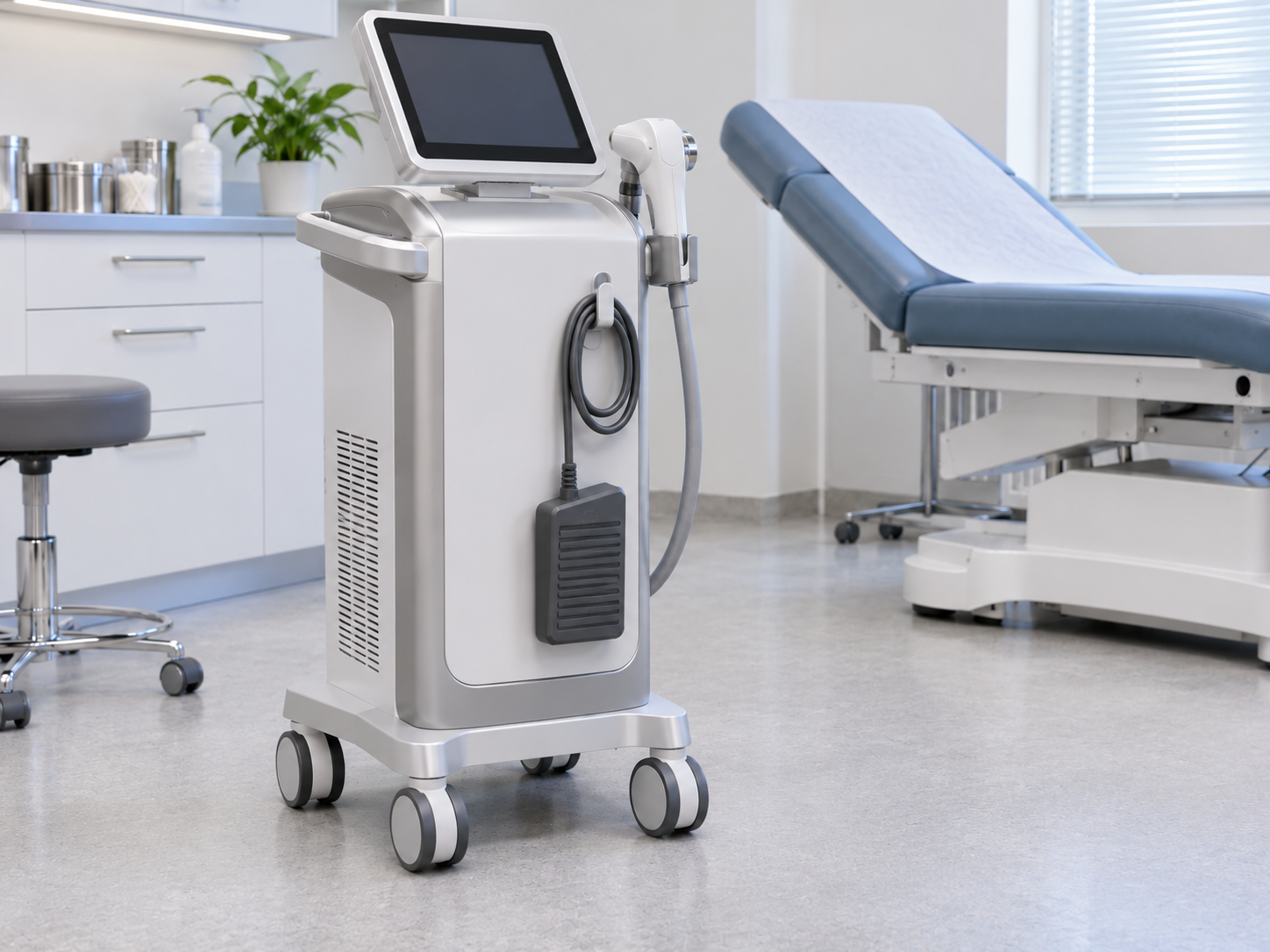
Many medical devices use foot pedals to start, stop, or switch functions. When the equipment is temporarily not in use, the foot pedal may be hung on the side of the device or placed on a storage rack. If the control system can recognize whether the pedal is in its operating position, it can switch more naturally between operating and sleep modes.
How Does the System Detect Flat and Hung Positions?
A ball switch uses the direction of gravity to determine the foot pedal position. When the pedal is placed flat on the floor, the system can treat it as ready for use. When the pedal is hung or rotated into an upright position, the sensor state changes, allowing the system to enter sleep mode or disable foot control.
What Are the Operating Benefits?
- Related control functions can be disabled automatically when the foot pedal is stored.
- Before use, simply place the pedal back on the floor to return it to an operable state.
- No additional manual mode-switching step is required.
- The mechanical position directly corresponds to the equipment state, making operation more intuitive.
What Should Be Considered in the Design?
- The actual angles when the foot pedal is placed flat and when it is hung.
- Vibration caused by stepping, moving, and impacts.
- The sensor mounting direction and available mechanical space.
- Whether the signal requires a short delay or stability check.
- During the prototype stage, verify the switching behavior directly with the actual foot pedal mechanism.
OncQue Application Experience
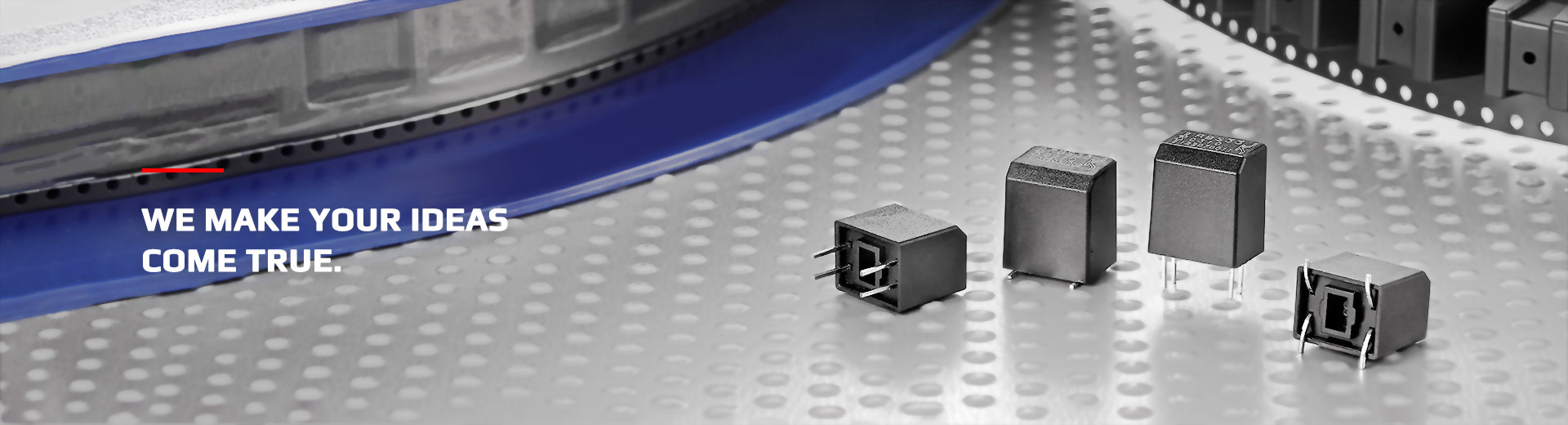
The original application case shows that a ball switch has been used in a medical equipment foot pedal to identify flat and upright positions. When the pedal is hung, the equipment enters sleep mode; when the pedal is placed back on the floor, operation can resume. The demonstration case uses the RBS24 series as an application example.
Need Help Evaluating a Foot Pedal Position Detection Solution?
Provide the foot pedal angles in flat and hung positions together with mechanical photos, and OncQue can help evaluate sensor mounting locations and position-detection methods.