
Large-Angle State Detection
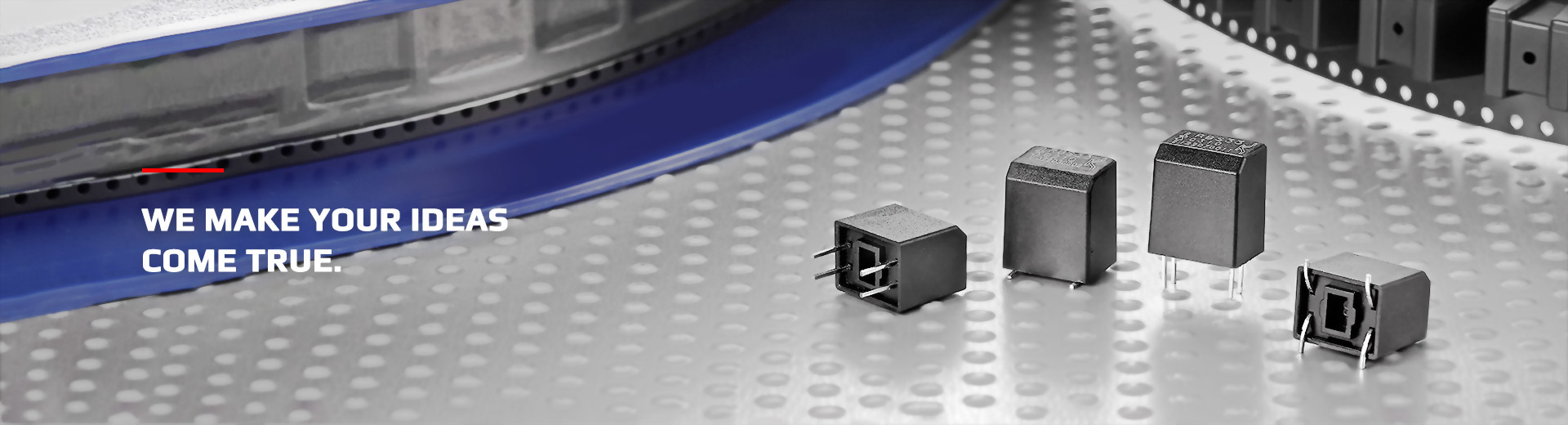
Fixed-Angle Tilt Switch
Suitable for confirming whether a large-angle rollover state has occurred, providing a simple and clear ON / OFF status output.
During normal operation, robot vacuums cross carpets, thresholds, and slopes, creating continuous small-angle orientation changes. The sensing design should distinguish between normal obstacle crossing and rollover or large-angle entrapment.
When the robot is lifted, flipped over, or stuck at a large angle, orientation sensing can be combined with wheel speed, cliff sensors, and motor current information to improve abnormal-state detection.
If the requirement is only to confirm whether the robot has entered a large-angle rollover state, a fixed-angle tilt switch can be considered. If navigation attitude, slope, and detailed motion information are required, continuous sensors such as an IMU should be used.
Suitable for confirming whether a large-angle rollover state has occurred, providing a simple and clear ON / OFF status output.
Suitable for continuous measurement of navigation attitude, slope, and detailed motion information.
Cross-check orientation data with wheel speed, cliff sensing, motor current, and other signals to improve abnormal-state detection reliability.
| Application Requirement | Recommended Direction |
|---|---|
| Detect large-angle rollover | Fixed-angle tilt sensing |
| Need navigation and slope information | IMU / Accelerometer |
| Reduce false detection | Orientation + wheel speed / cliff sensing / current cross-checking |




Provide the robot's normal obstacle-crossing angle, rollover conditions, and existing sensing architecture, and OncQue can help evaluate a suitable tilt-sensing solution.